Amritsar, colloquially known as Ambarsar and historically known as Ramdaspur is located in the Punjab state of India. It derives its name from Amrit Sarovar which was built by Guru Ram Das in the village of Tung. Guru Ram Das believed that the waters of the lake had healing powers. The land was bought by him for a small amount of 700 rupees and a temple complex was built around it. Gradually, the village developed and came to be known as Chakk Ram Das which finally became Amritsar that literally translates to pool of nectar.
Historical Relevance of Amritsar
Amritsar is the heart and soul of the Sikhs and the largest spiritual and cultural centre of Sikh religion. Alongside, being an important religious attraction, the city also holds historical significance and a proud past.
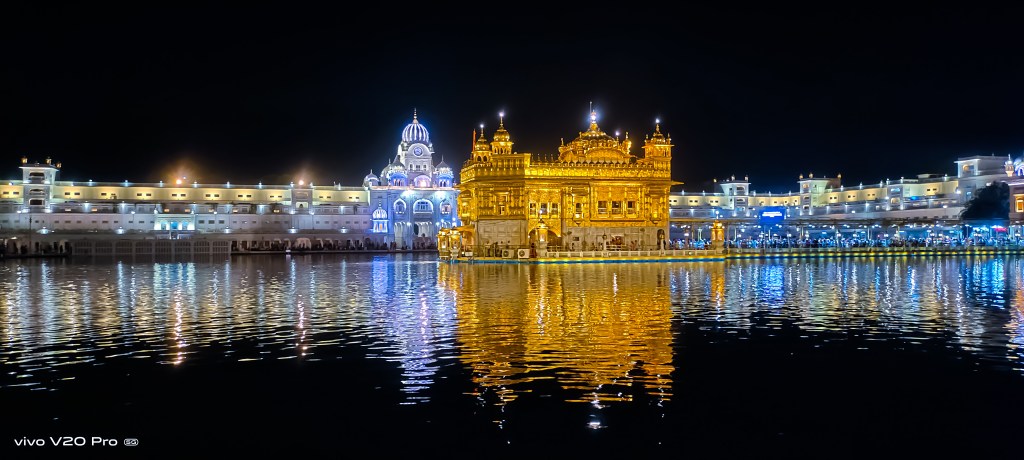
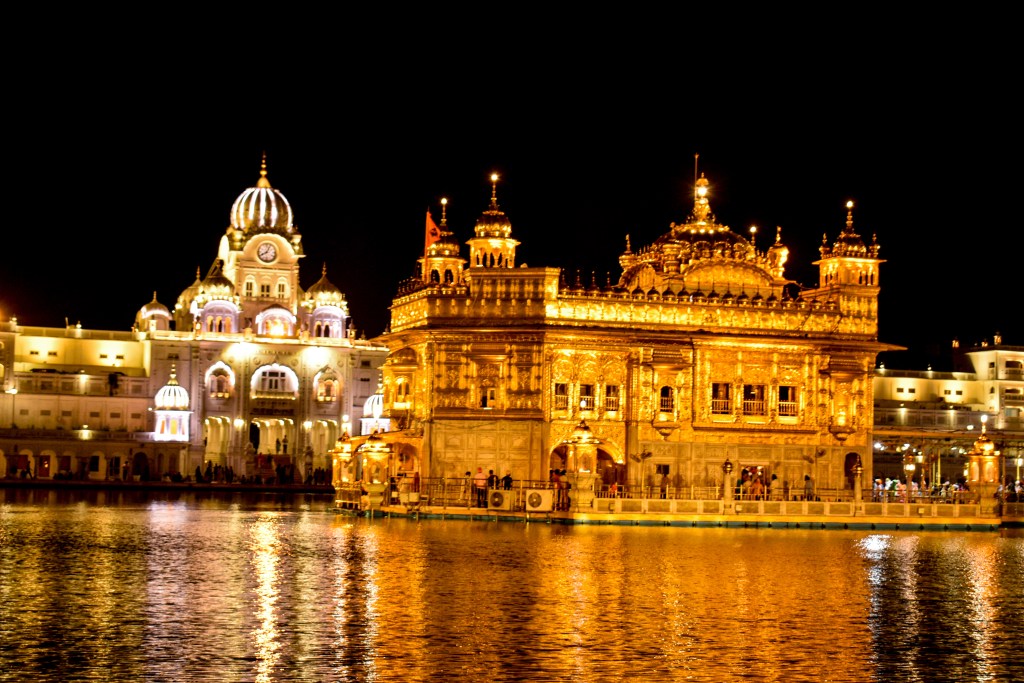
The Golden Temple is the most celebrated monument in Amritsar, known as much for its spiritual significance as for its architectural beauty. Also called Harmandir Sahib or Darbar Sahib, this gurudwara stands as the holiest pilgrimage site of Sikhism and a prime tourist attraction in India.
History of golden temple
The construction of the Golden Temple marks an important chapter in the history of Sikhism in India. The foundation for the gurudwara was laid in 1581 and the construction was completed in 1588. In 1604, a copy of the Adi Granth, the principal scripture of Sikhism, was placed inside the gurudwara by Guru Arjan, the fifth Guru of the Sikhs. At that time, the site was called the Ath Sath Tirath. Over the years, the shrine was destroyed many times by the rulers of the Mughal Empire and the Muslim armies marching in from Afghanistan. Each time it was rebuilt by the Sikhs.
Guruparv
I visited amritsar on the day of guruparv. When I visited golden temple I felt so lucky because at that day sikh people celebrated guruparv ( Birth day of first 10 gurus) and I had a chance to watch guruparv.
I entered Amritsar and I saw guru paidal kirtan Yatra many sikh brothers were showing his talent. They wore kurta pajama and kept a sword and women was cleaning the road. Children was chanting the slogan ( jo bole so Nihal sat Sri akal). After that I went towards the Harminder sahib complex. Every shop and home was decorate. I reached Harminder shaib complex and I knew the path so I didn’t ask anyone and went towards the golden temple. Many sellers was selling caps ( Kesari kapda) and candel therefore I bought some candel for night.
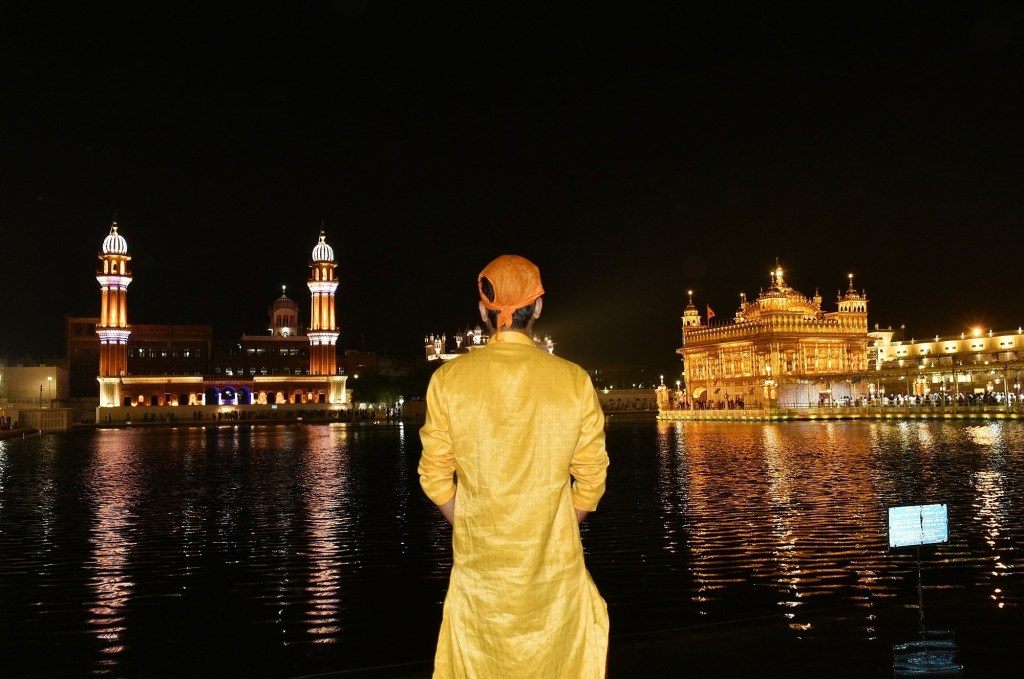
I had a good couple of hours of uninterrupted divine time on the first floor of the sanctum. I had to wait till night because I wanted to see golden temple beauty in night. After 6pm many devotees came and every parts of temple was fill from the crowd. I clicked many pictures after that I went to my hotel and took rest. In the morning I saw many places.
Jallinwala bagh
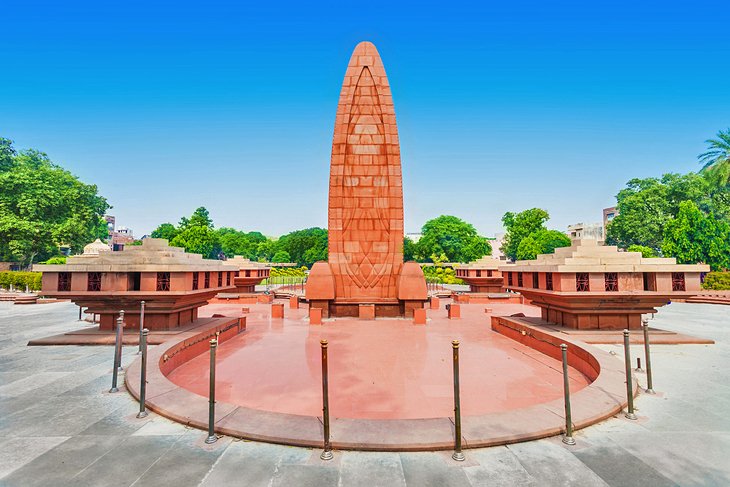
The memorial at this site commemorates the 2000 Indians who were killed or wounded, shot indiscriminately by the British under the command of Gen Michael O”Dyer on April 13, 1919 while participating in a peaceful public meeting. This was one of the major incidents of India’s freedom struggle.The story of this appealing massacre is told in the Martyr’s Gallery at the site. A section of wall with bullet marks still visible is preserved along with the memorial well, in which some people jumped to escape.
Ram Tirth
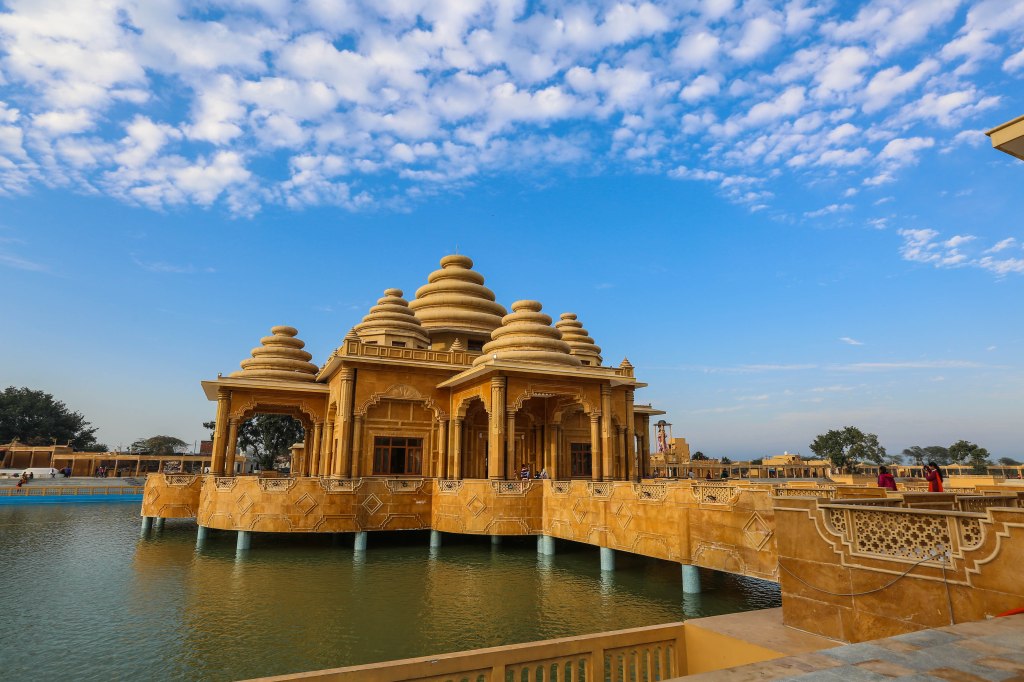
Ram Tirath Temple dates back to the Ramayana Period. It is believed to be the ashram of Sage Valmiki, where Mata Sita took shelter on being abandoned by her husband Lord Rama. Luv and Kush, the sons of lord Rama are believed to have been born here. The entire complex has a number of temples, which exhibit scenes from Ramayana. An annual fair of four days every year in November draws a large number of devotes to this place.
Partition museum
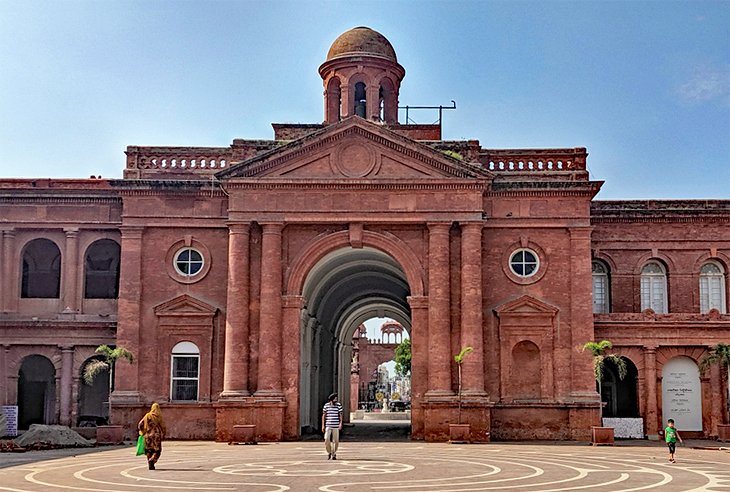
The museum, located in Town Hall in Amritsar is a space filled with memories and objects donated by partition families. That is, perhaps, why it wishes to be known as a People’s Museum, narrating the Independence movement and its aftermath via the experience of the people.
The exhibits has 14 galleries, which are divided by chronological themes—Why Amritsar?, Punjab, Resistance (1900-1929), The Rise (1930-1945), Differences, Prelude to Partition, Boundaries, Independence, Borders, Migration, Divisions, Hope, and lastly, Refuge.
Durgiana temple
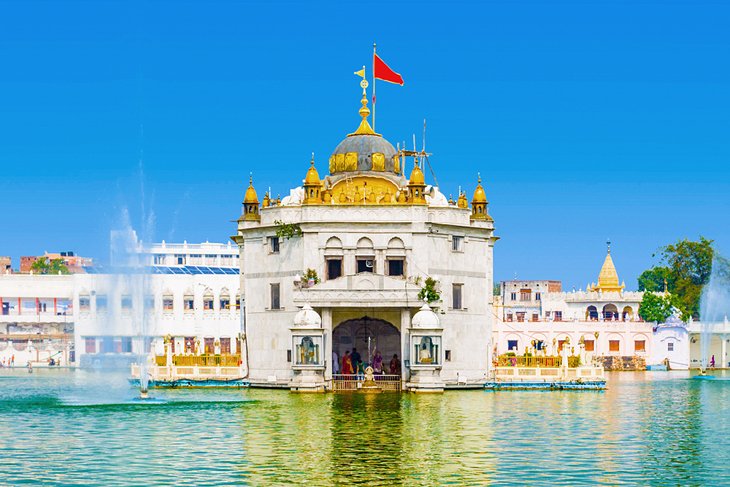
Durgiana temple in Amritsar is one of the most revered temples in Punjab. When people come to visit Golden Temple, they also pay their homage to Goddess Durgiana on their trip to Amritsar. The temple is built on the middle of a sacred lake and looks exactly similar to the architecture of the Golden Temple. It is also known by the names of Lakshmi Narayana Temple, Durga Tirth, and Sitla Mandir and derives it names from Goddess Durga. The temple was constructed in the year 1912 by Guru Harsai Mal Kapoor and inaugurated by Pandita Madan Mohan Malviya. Since then, it has been renovated a number of times. You will notice the extensive use of marble in the construction and the dome illuminates with colorful lights
.
Govindgarh fort
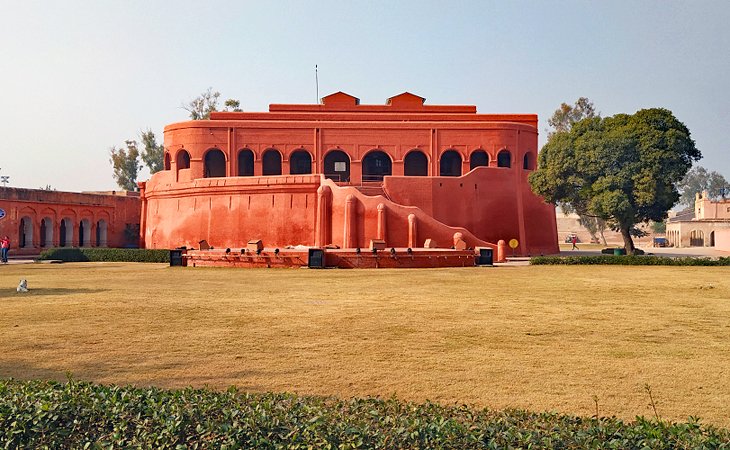
Gobindgarh Fort is a historic military fort located in the center of the city of Amritsar in the Indian state of Punjab. The Fort was until recently occupied by the army but was opened to the public from 10 February 2017. Today the fort is being developed as a museum and theme park, as a repository of Punjab’s history.
Popularly known as the Bhangian da Killa (fort of the Bhangis) after its 18th century founder belonging to Bhangi Misl of Dhillon Jats rulers. Sandhawalia Jat ruler Maharaja Ranjit Singh renamed it in the early 19th century after the 10th Sikh guru, Guru Gobind Singh.
Gurudwara guru ka mahal
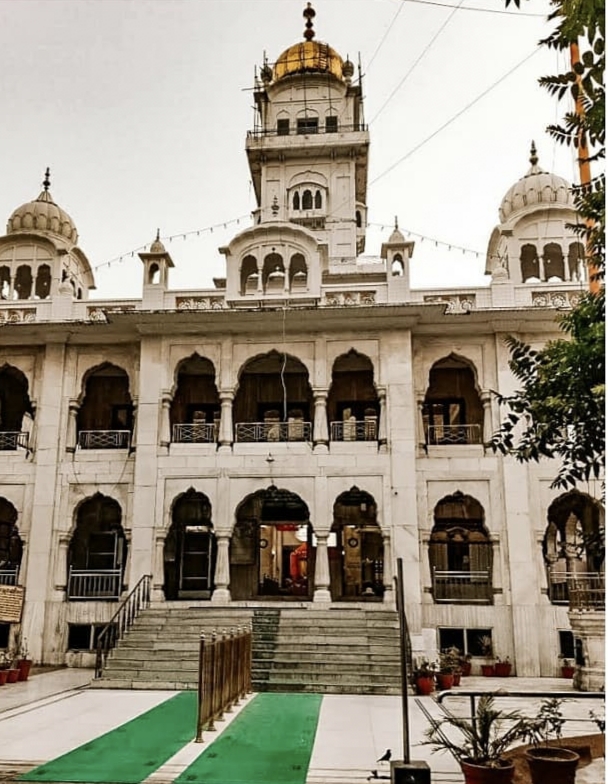
At a distance of 1.5 km from Amritsar Junction, Gurudwara Sri Guru Ka Mahal is situated near Golden Temple across the main street known as Guru Bazar in the holy town of Amritsar. It is one of prominent gurudwaras in Amritsar and also one of the popular places to visit in Amritsar.
Gurudwara Guru Ka Mahal was built as a humble hut in 1573 CE by Guru Ram Das Ji, the 4th Sikh Guru. It was the residential house of Sri Guru Ram Das, the founder of Amritsar. Guru Arjan Dev got married as well as appointed as a Guru in this Mahal. Baba Atal Rai and Sri Guru Tegh Bahadur were born at this place and Sri Guru Hargobind Singh was also lived here for some time. Later, it was enlarged and modified by Guru Arjan Dev and his son, Guru Hargobind. Now it has been converted into a gurudwara.
Guru Ka Mahal is famous for the sacred book of the Sikhs, Guru Granth Sahib and is placed on a platform raised on the ground floor inside this three storeyed shrine. The basement has a meditation room where the Sikh gurus used to meditate and compose sacred hymns. Apart from the daily rituals, special divan and Guru Ka Langar are held on the first Sunday of a Bikrami month. The main festival celebrated in this gurudwara is the birth anniversary of Guru Tegh Bahadur Ji who was born here on Baisakhi.
Bagha border
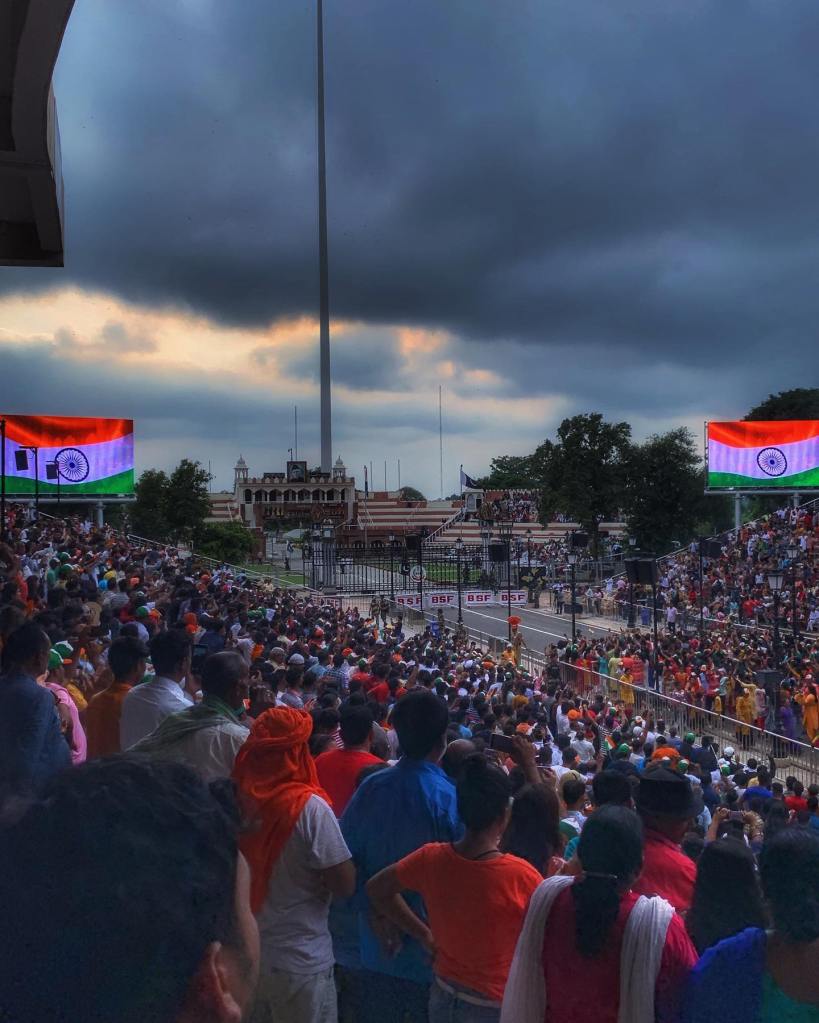
You cannot claim that you have seen Amritsar if you have not visited the famous Wagah border. Wagah border is a border that separates India and Pakistan. It represents the countries’ attitude towards each other. It holds a beating retreat ceremony that attracts and is a reason to visit Wagah border, Amritsar. This place has a high degree of security and also has BSF(Border security force) surrounding and scrutinizing the area thoroughly.
 travel storyteller
Leave a comment