@ankitupadhyay
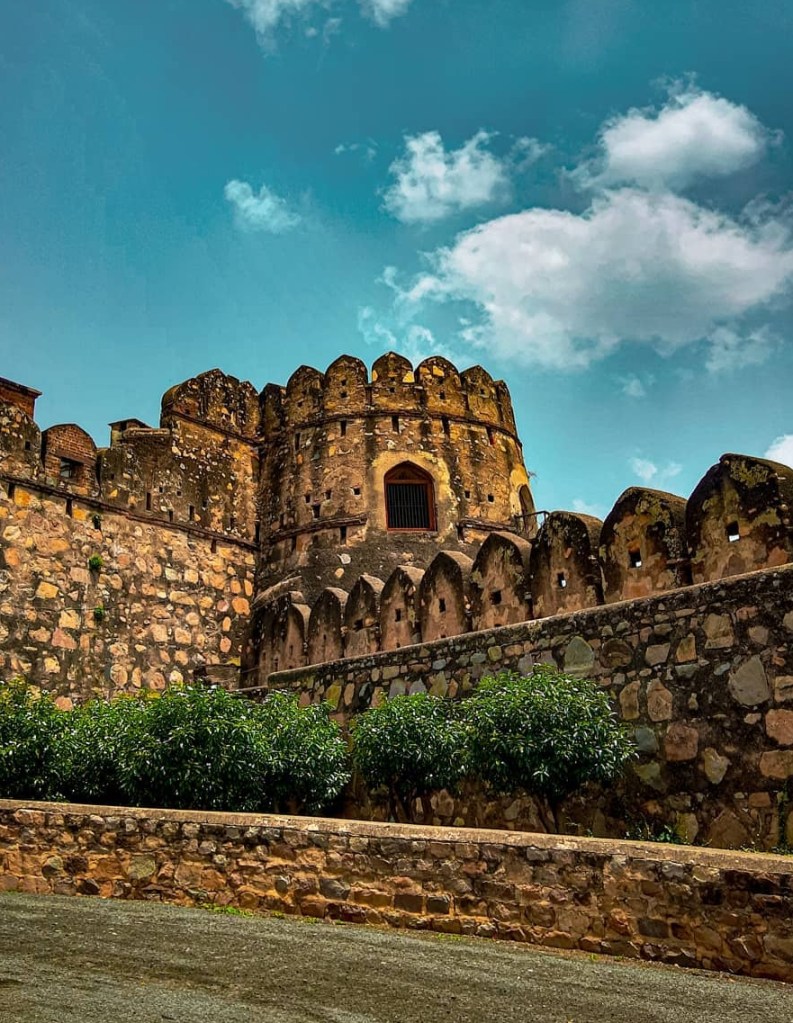
During ancient time Jhansi was a stornghold of the chandela kings and was known as Balbantnagar. However it lost importance In the 11th century after the decline of chandela dynasty. It rose in prominence in the 17th century when raja bir dev singh deo of orchha state constucted the Jhansi fort in 1613.
The structure of the Jhansi Fort is a mixture of elements taken from both Maratha and Bundela styles. This is because the fort was initially constructed by Bundela Rajput Chief in 1613. After that, the Mughal Army attacked Jhansi in 1728.Then ruler of Jhansi, Maharaja Chhatrasal got help from Peshwa Bajirao to defeat the Mughal Army. To show his gratitude towards the Peshwa, Maharaja Chhatrasal gave a part of Jhansi to him. Peshwa Bajirao constructed the rest of Jhansi and even extended the complexes. That is how the fortress came to be built with both styles.
The fort has ten gates ( Darwaza). These are Khandero Gate, Datia Darwaza, Unnao gate, Jharna Gate, Laxmi Gate, Sagar Gate, Orcha Gate, Sainyar Gate, Chand Gate, Bada gaon gate, Bhandari gate.
Things To do In Jhansi That Will Make You Fall In love With This Beautiful City
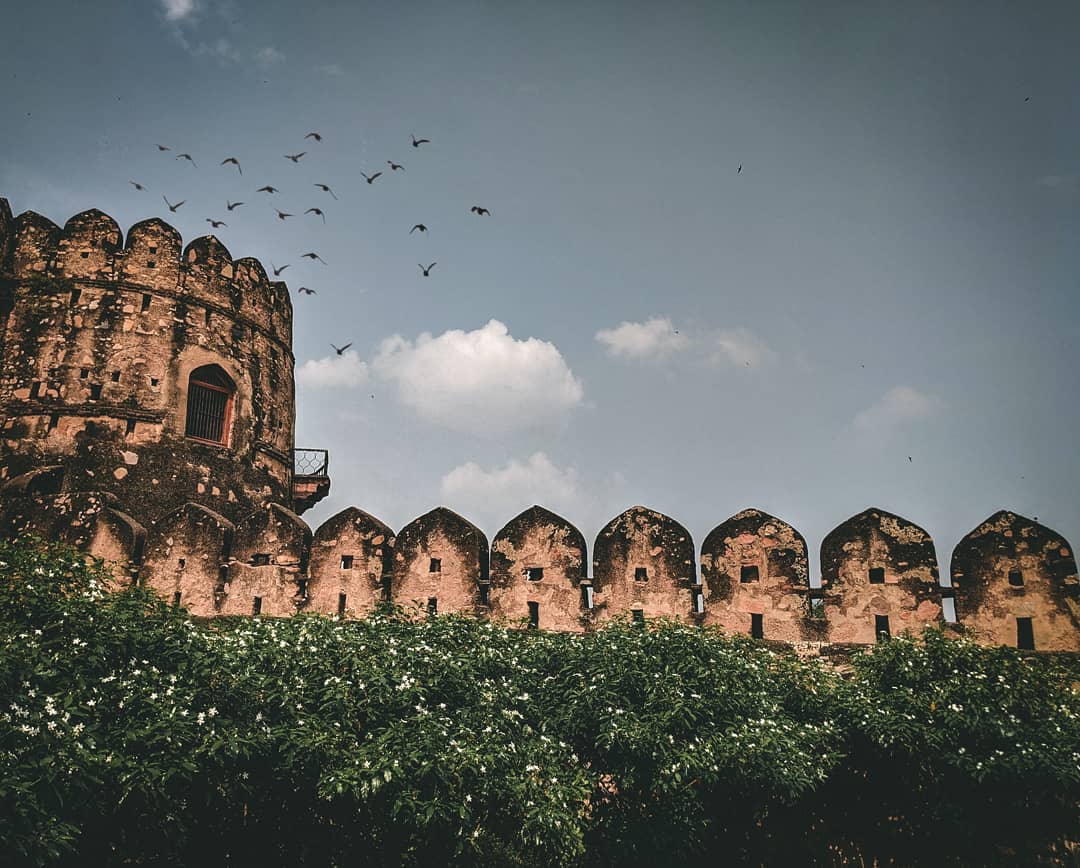
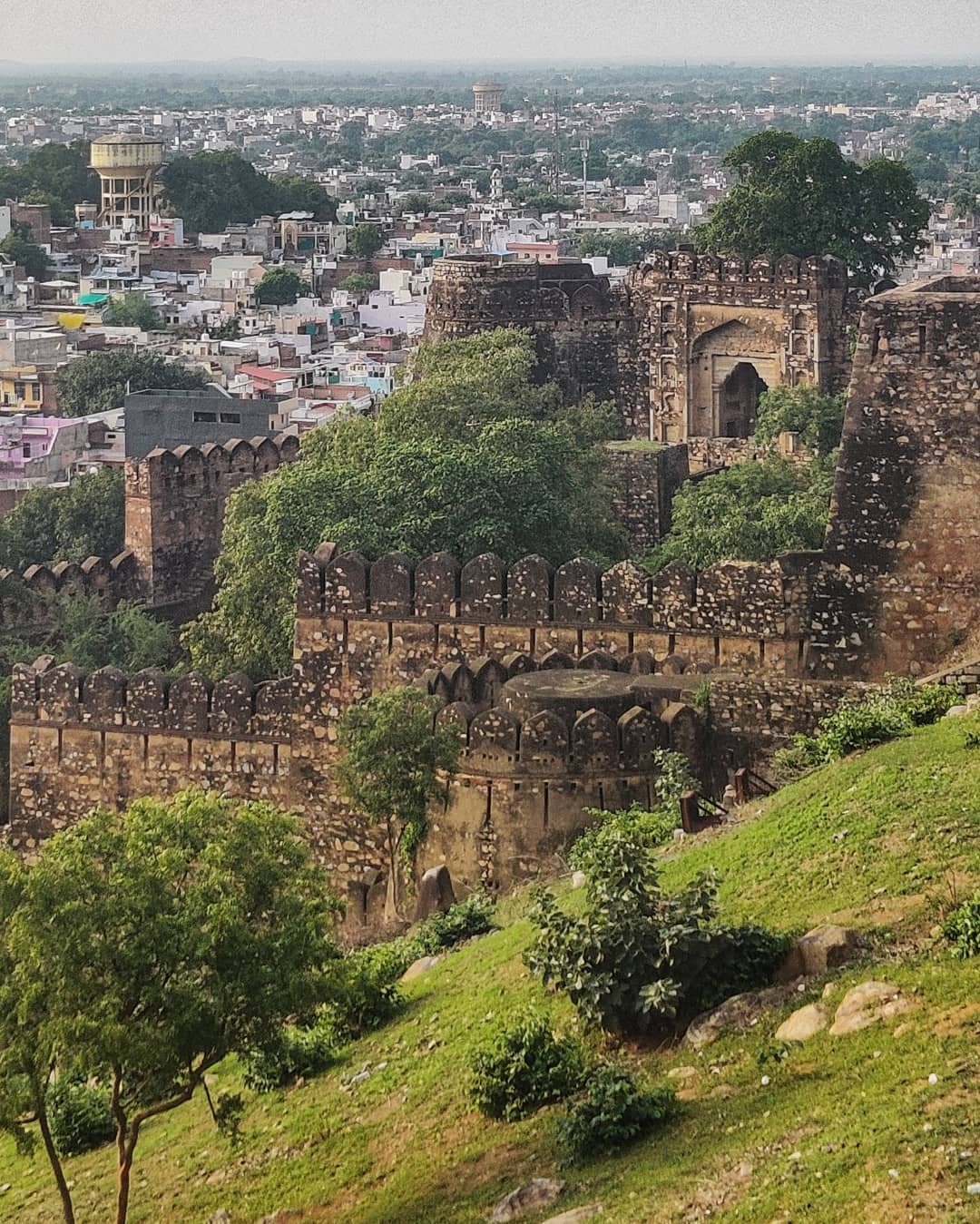
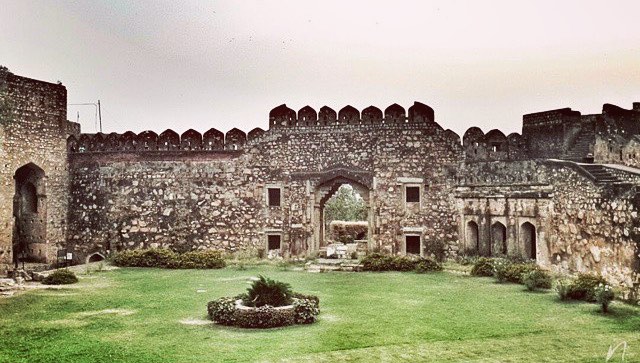
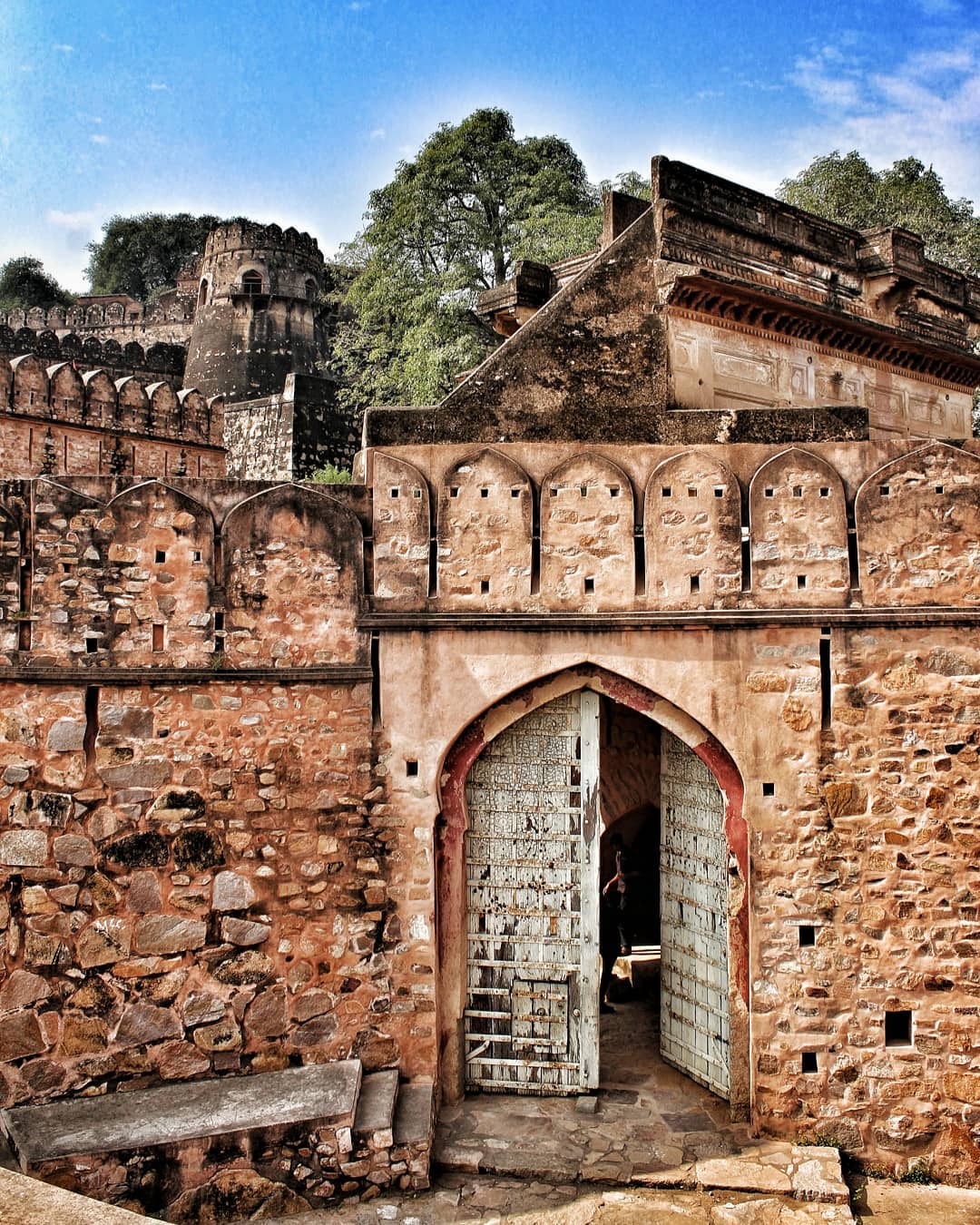

Jhansi Fort: Key facts and details

The Fort had a vital role to play in the revolt of 1857 and was also witness to the battle spearheaded by Rani Lakshmi Bai. There are Lord Ganesha and Lord Shiva temples inside the fort complex while the Karak Bijli and Bhawani Shankar cannon of the queen are also placed inside. There is also a museum with a collection of sculptures. It provides rich insights into the history of Bundelkhand, while there is a masterful diorama showcasing the battle where the Rani of Jhansi sacrificed her life for saving her citizens from the British Raj. Here are some more interesting details about the Jhansi Fort:

- The Jhansi Fort’s granite walls are 16-20 ft thick and the city’s walls meet it on the southern side. The Fort’s southern face is near-perpendicular.
- There are 10 gates in all, some of which have been named above.

- 22 supporting structures are present with a strong wall and a surrounding moat on two sides. The support on the eastern side was destroyed and later rebuilt by the British and they also integrated another floor for the Panch Mahal.
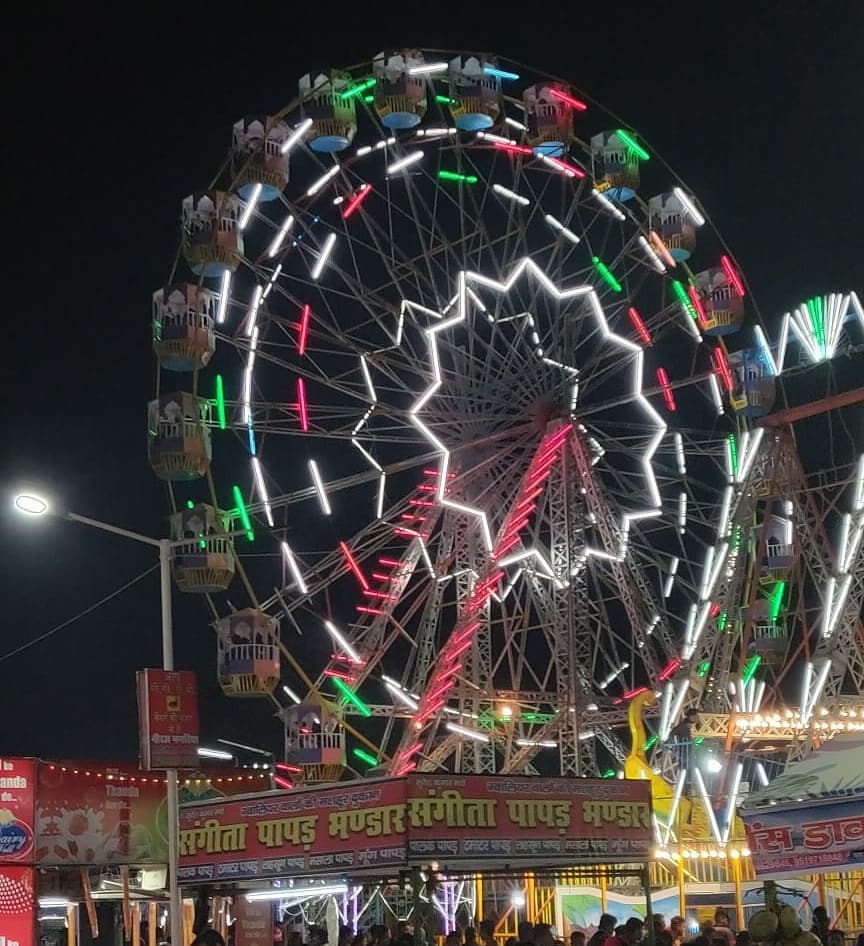
- In January-February every year, a major Jhansi Mahotsav is held at the fort premises, which is graced by several artists, playwrights, actors and eminent citizens of the country.
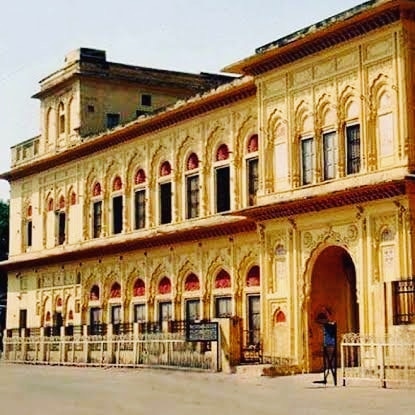
Rani Mahal :
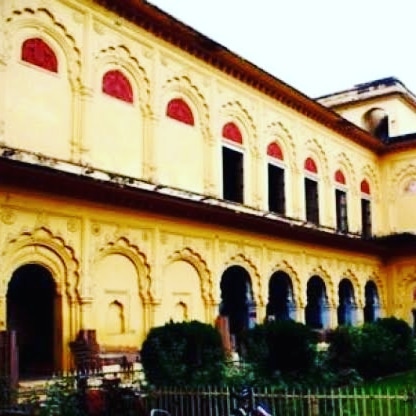
Rani Mahal, Palace of Rani Lakshmi Bai embelished with multi colored art and painting on its walls and ceilings. Presently this palace is converted into a museum. It has a massive collection of Sculptures of the period between the 9th and 12th Centuries AD, housed here by the Archaeologral Survey of India
Gangadhar Rao samadhi Sthal
The Samadhi of Maharaja Gangadhar Rao is situated on the Laxmi Tal. After the death of Maharaja Gangadhar Rao in 1853 this ancient monument was built by his wife Maharani Laxmi Bai.
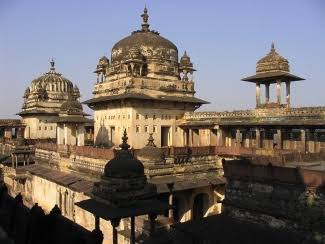
Mahalakshmi Temple
Maha Lakshmi Temple an ancient temple devoted to Devi Mahalaxmi was built in 18th Century. This glorious temple is situated outside Laxmi “Darwaza” near Laxmi Tal.
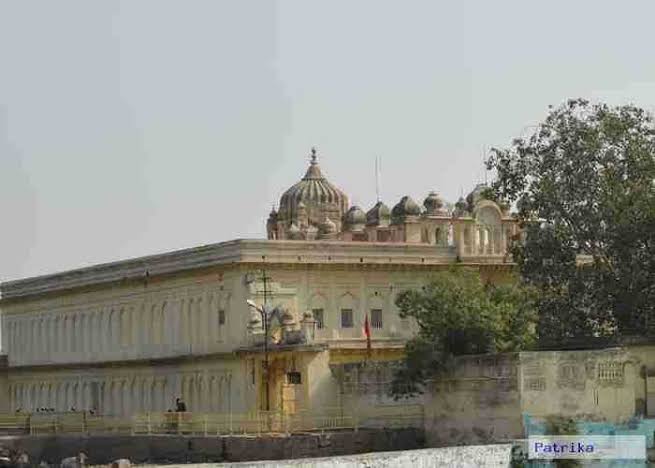
Ganesh mandir
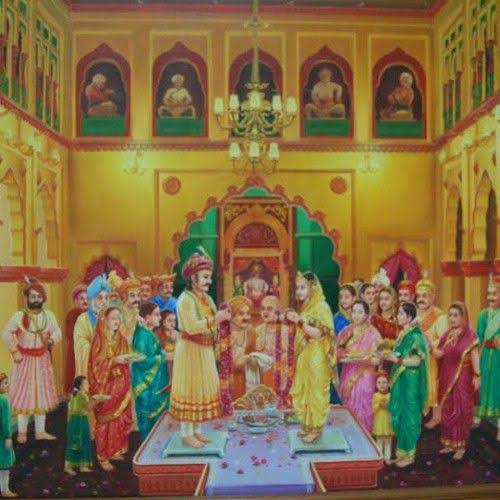
Ganesh Mandir, where the marriage ceremany of Maharani Laxmi Bai, the brave hero of 1857 Inedependence war, and Maharajai Gangadhar Rao was performed. This temple is dedicated to Lord Ganesh.
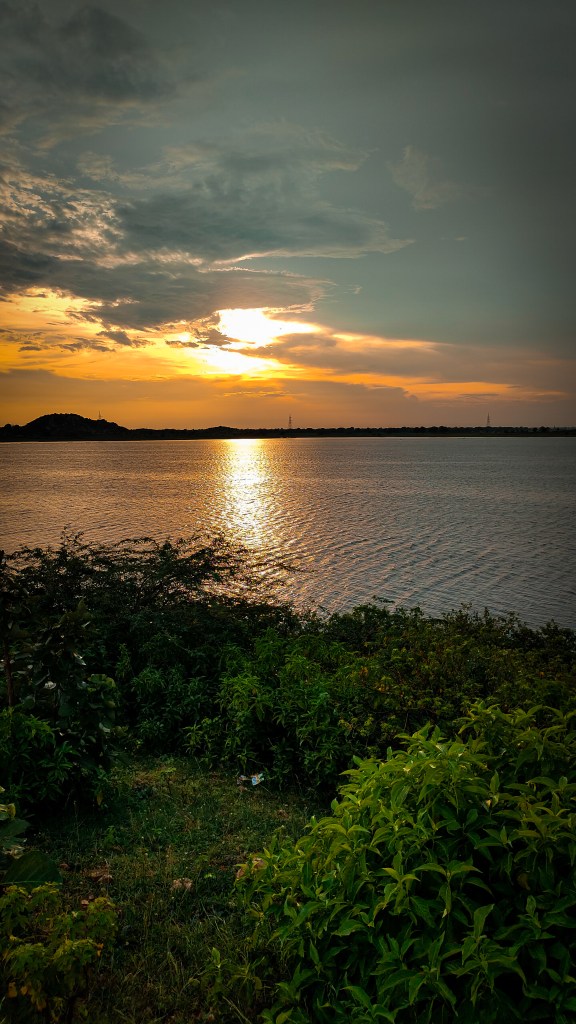
Gadmau lake
Amidst the history and heritage, Garhmau Lake is a beautiful natural tourist site in Jhansi. Some 12 km from Rani Mahal, Garhmau Lake sprawls over a large area of 14 km. The pleasant environment of this place makes Garhmau Lake an ideal sightseeing place in Jhansi for picnicking and day outing. The views of sunrise and sunset are something to look forward to in this popular attraction in Jhansi.
The other places of interest are :
Kaliji Temple
Murli Manohar Temple
Panchkuniya Temple
Jeevan Shah Ka Mazar
St. Jude’s Shrine
Gurudwara at Tallaiya Mohalla
Karguan Jain Pilgrimage
Kunj Bihari Temple
How to reach
By Bus
The north-south and east-west corridors pass and cross each other only in Jhansi and the city is also well connected to Kanpur, Lucknow and Madhya Pradesh by road. The four lane national highway is at the last stage of its completion, giving a boom in infrastructure and other sectors in Jhansi and nearby areas.
By Train
Jhansi Junction has its own Division of the Indian North Central Railways. It is well connected by train services to all parts of the country, including four metropolitan cities. There are direct trains to Mumbai, Delhi, Hyderabad, Kolkata, Chennai, Bangalore, Guwahati, Visakhapatnam, Nagpur, Agra, Gwalior, Trivandrum, Indore, Ahmedabad, Udaipur, Pune, Jammu and Kashmir, Jaipur, Lucknow, Bhopal, Mahoba, Khajuraho, Gaya, Jalgaon, Bhusaval, Jabalpur, Kanpur, Allahabad, Gorakhpur, Bandra and other major towns. A list of all train services passing through Jhansi Junction can be found here.
Festival in Jhansi
The Jhansi Mahotsav celebrated in the last week of February or the first week of March is the most fascinating cultural festival of the city that is organized by the tourism department of the Uttar Pradesh State Government every year. This weeklong festival; an eloquent exposition of Bundelkhand’s vivid cultural heritage is held at the open air auditorium in the vicinity of the State Archeological Museum of Jhansi.
 travel storyteller
Leave a comment